
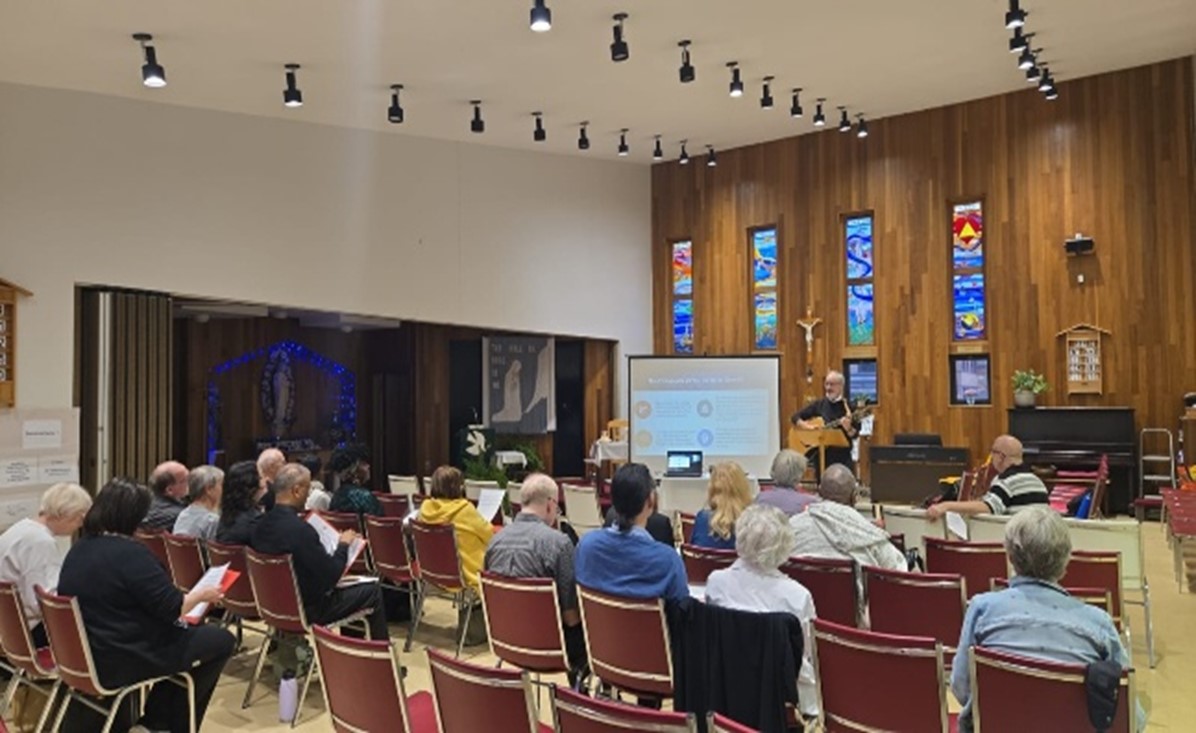
The second week of September was marked by pastoral launch meetings in the five pastoral zones of the diocese. It all began on Monday, September 8 at 7 p.m. in the Central Zone, where more than sixty people from 14 parishes gathered. On Tuesday, September 9, at Our Lady of the Annunciation Parish, it was the turn of the parishes in the English-speaking zone to meet, with around twenty participants. On Wednesday, September 10, the meeting was held at the Portuguese parish of Notre-Dame de Fatima for the parishes of the Western Zone, bringing together about fifty people from 8 parishes. On Thursday, September 11, in the Petite-Nation Zone, around thirty participants responded to the call. Finally, on Saturday, September 13 at 10 a.m., the Northern Zone concluded the series of meetings with a dozen participants.
During each of these meetings, Bishop Paul-André Durocher presented the origin and meaning of the pastoral theme for the next two years, proposed by the Diocesan Pastoral Council: Church in the Outaouais: Together to Sow His Light. A song, specially composed by him to accompany reflection and the appropriation of this theme in the parishes, was also presented.
Next, Ms. Nicole Myre and Father Rodhain Kasuba led the first part of the meeting, emphasizing the importance of truly knowing the territory in which one wishes to proclaim the Gospel. To launch their presentation, an interactive quiz and two videos about the Outaouais allowed participants to explore the many facets of this region: its geography, its history marked by Indigenous Peoples and colonization, its cultural diversity, as well as its social and economic realities.
This interactive approach sparked genuine interest and enriched the discussions, while fostering a better understanding of the challenges specific to the mission in the regional context. The message was clear: to sow the light of Christ, one must first immerse oneself in the environment. As the saying goes: “To teach Latin to John, you must know John.”
Thus, proclaiming the Gospel in the Outaouais requires a concrete and human understanding of its social fabric, its communities, its economic challenges, and especially the people who live there: youth, families, seniors, vulnerable individuals… It’s not just about data or statistics, but about truly listening to human, social, and cultural realities.
Knowing and recognizing the joys, hopes, sorrows, and aspirations of the people in the area is what enables a proclamation of the Gospel that is both rooted and full of hope.
In the second part, Ms. Marie-Christine Adjobi and Father Claude Pigeon led the evening in the form of an exercise that each community is invited to repeat with its committed members over the coming weeks or months. A central question guided the reflection of the first segment: What projects or achievements are we proud of in our parish, our region, or our zone?
The sharing of local pride revealed that the mission is already a vibrant endeavor in the Outaouais, despite often limited resources. Our parish communities sponsor fraternity projects that help build connections between people and foster encounters among different groups, thus bridging generations and cultures. Solidarity initiatives are also present in all regions: friendship soups, support campaigns, family sponsorships, etc. Faith education remains a priority everywhere and takes the form of catechesis, sharing groups adapted to regional realities, live nativity scenes, etc. Finally, the celebration of faith continues to hold a central place. This is evident in the care given to maintaining places of worship, efforts to renew liturgies, and the commitment of choirs, among others.
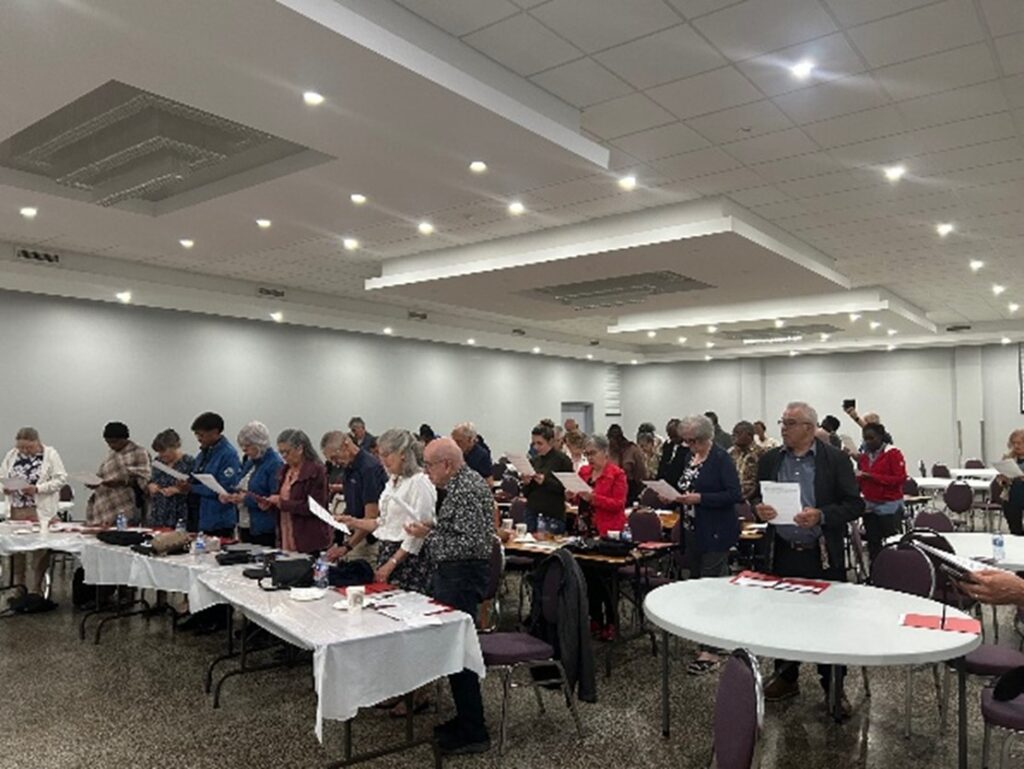
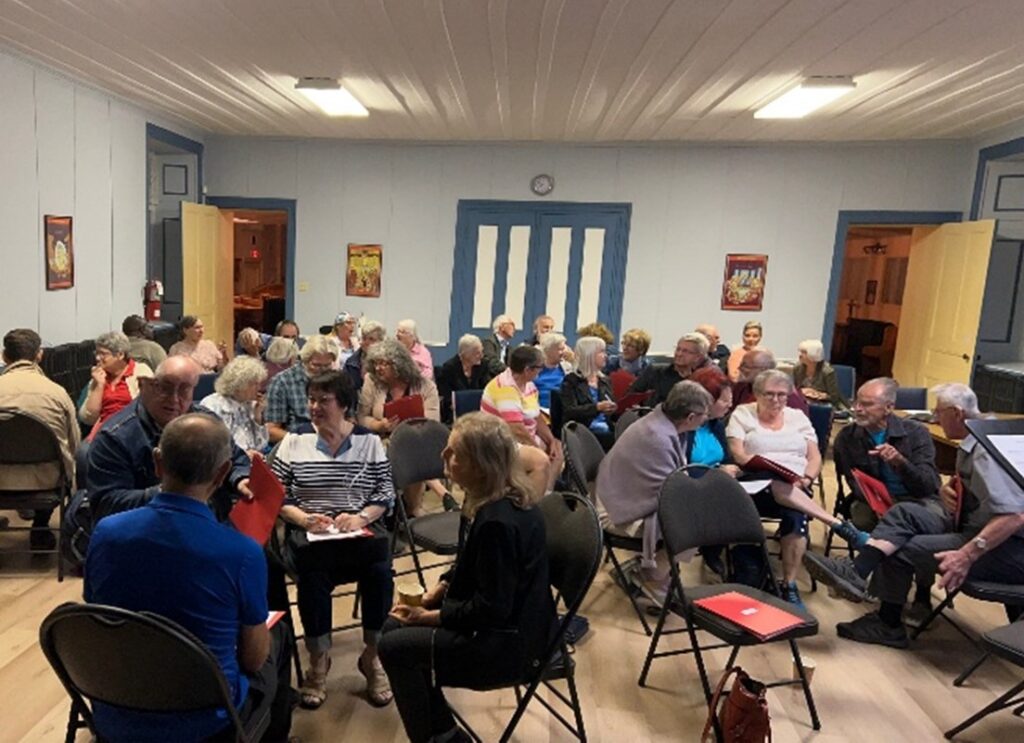
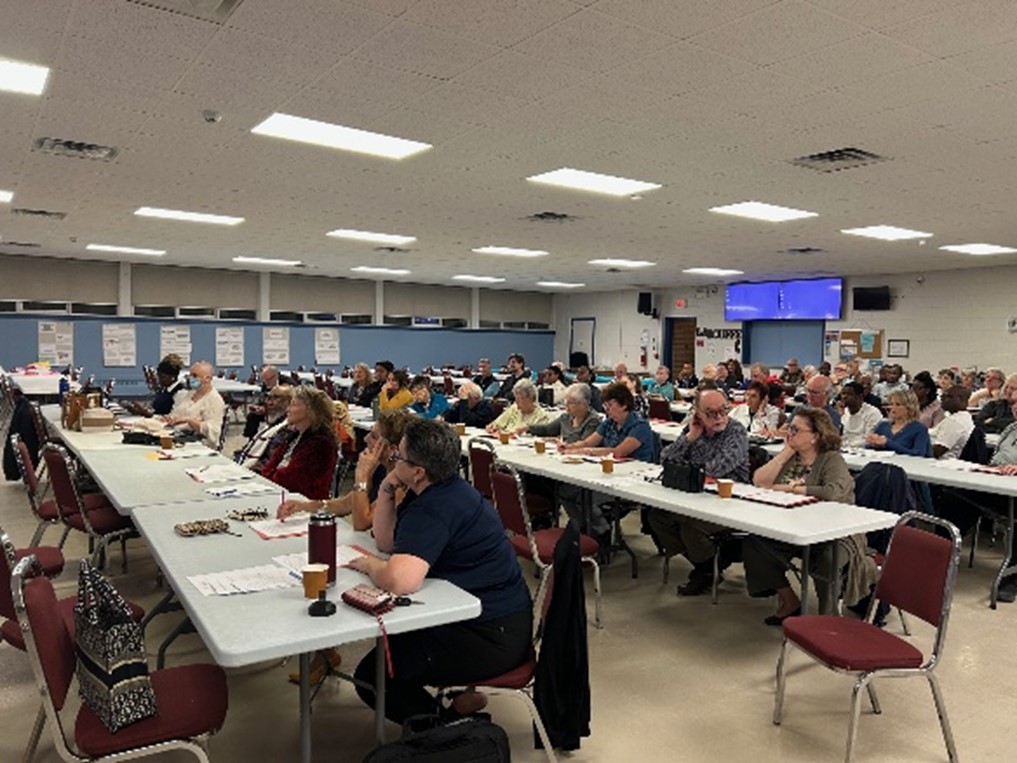
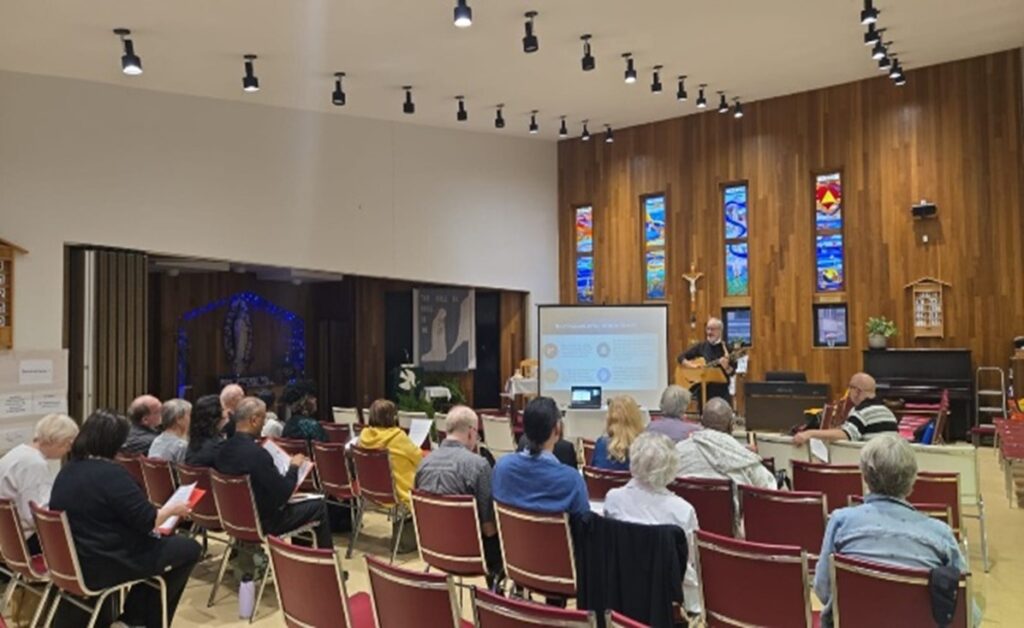
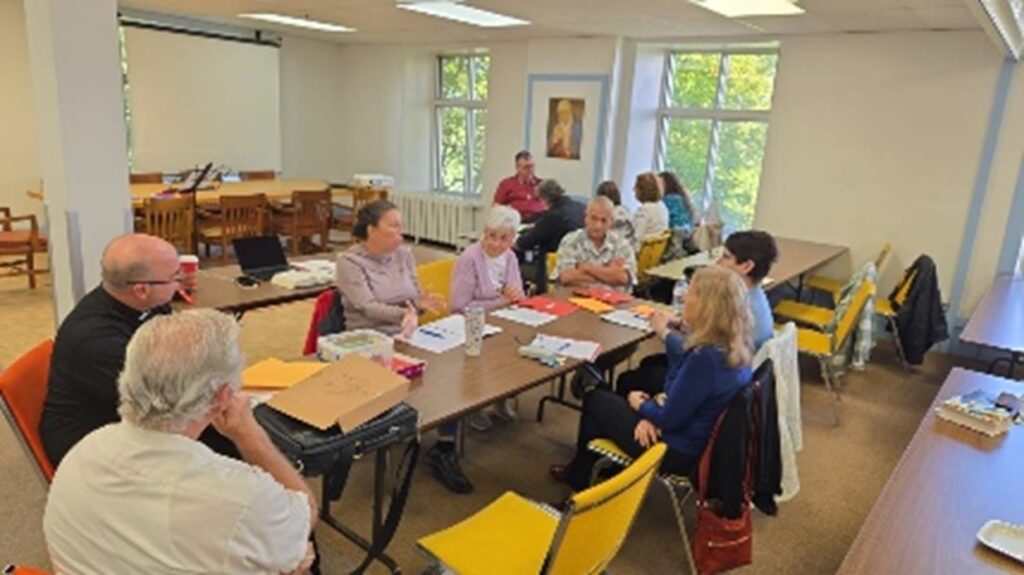
The second segment of the workshop invited participants to identify areas of the mission that remain uncultivated. By taking a close look at our surroundings and getting to know our neighbors, we discover needs that challenge us as disciples of Christ. This is where the mission field still lies ahead of us. It is on the ground, close to our living environments, that missionary priorities take shape. As the needs and priorities of the area evolve, it may be necessary, in order to create something new, to let go of certain traditions which, although commendable, no longer carry the same urgency.
Finally, it was emphasized that a pastoral priority is neither a bishop’s decree nor a magical solution. The identification of a priority emerged from a process of discernment that brought together several diocesan members—priests and laypeople, men and women—in July with the bishop. The goal was to identify the needs of the Outaouais, the calls of the Spirit, and the ways in which the local Church of Gatineau can better serve. A pastoral priority is therefore a path, an invitation to move forward together, as Church, listening to the Spirit and the realities on the ground, to better radiate the light of Christ.